ROBINO curved acacia
 PLANK straight acacia
  STRATO layered acacia
  PRISMO slat programme
  AERO rope castles
  Steely metal elements
  FITTY workout playgrounds
  HANDY elements for the disabled
 Bounce balls – JELLY BUBBLES
 Roller tracks – JELLY ROLLS
Play equipment for the visually impaired
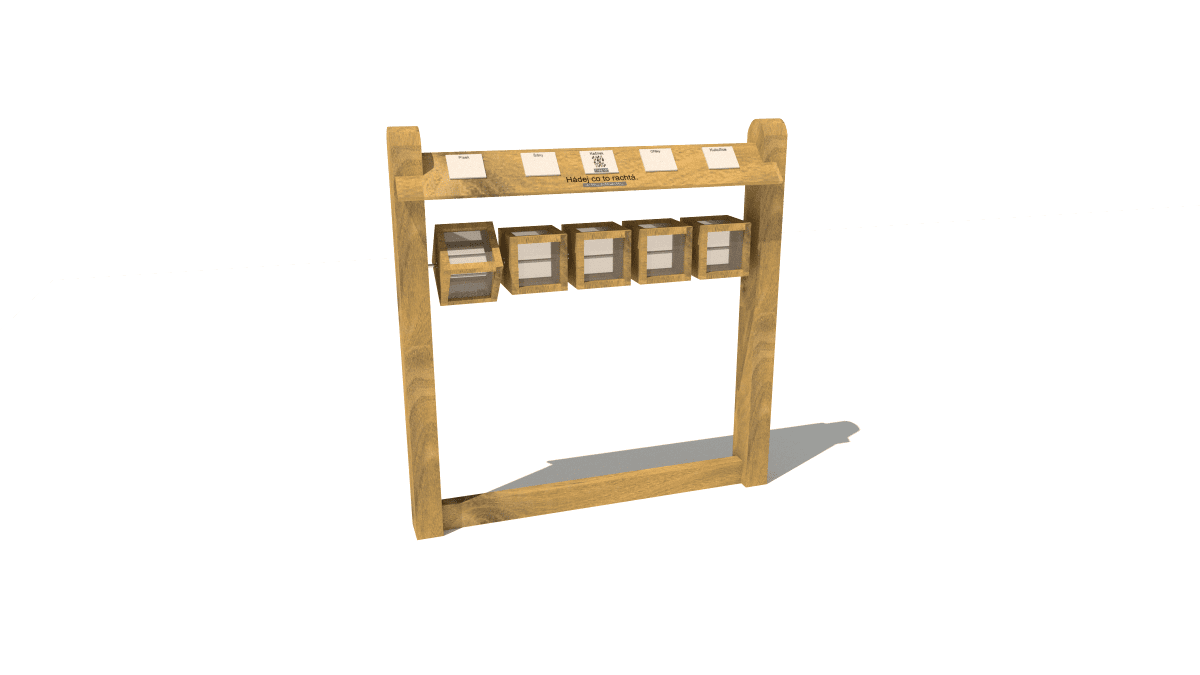
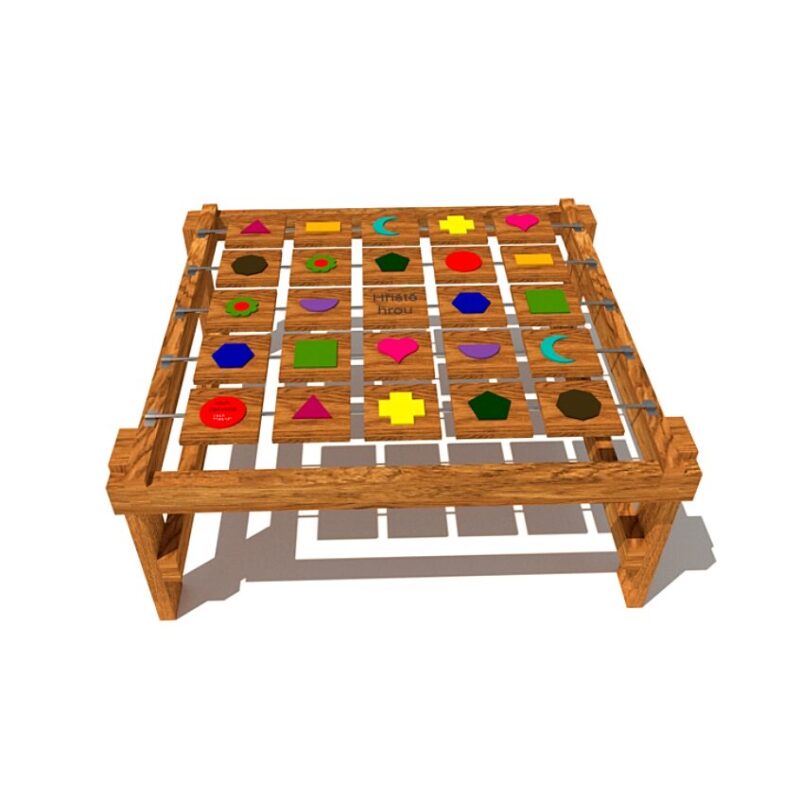
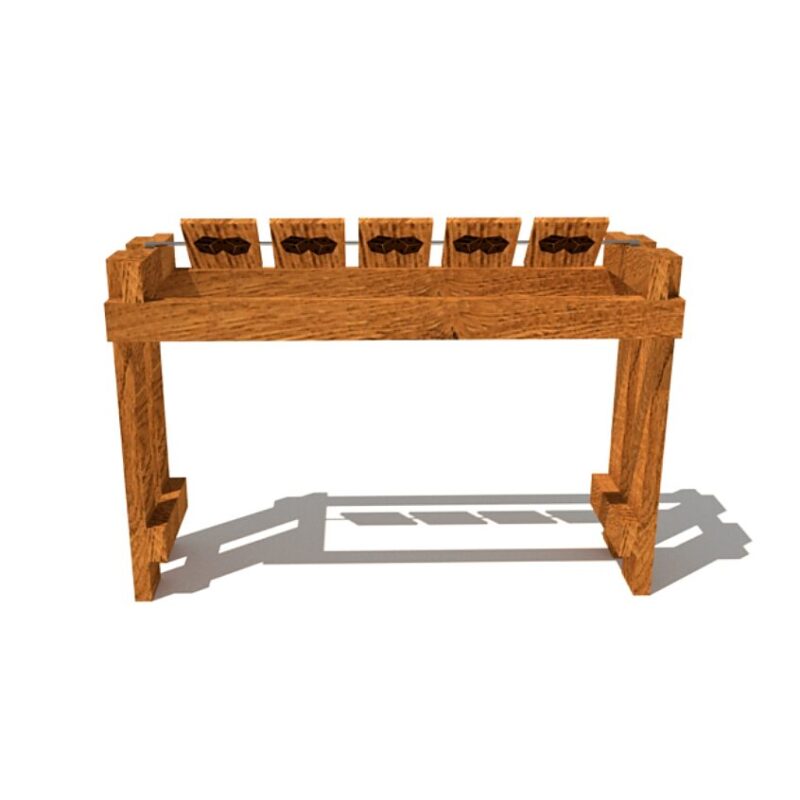
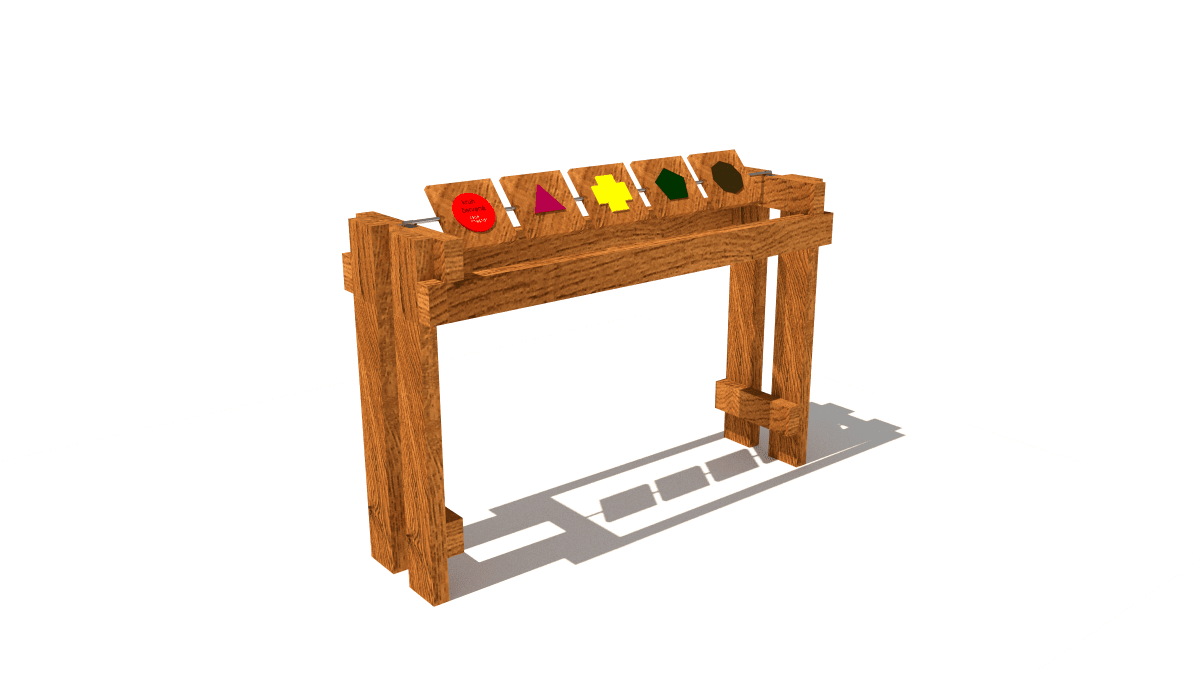
Play elements for visually impaired children develop their compensatory senses. It is important, for example, to stimulate the sense of touch. This is why aids for visually impaired children come in a variety of shapes and textures. The child strokes and touches the play element, and the tactile elements help develop their motor skills. A memory game for visually impaired children, for example, is ideal for a playground. A visually impaired child hears many different sounds in the playground – birds, the sounds of the trees and the laughter of other children. This helps the child develop another compensatory sense – hearing. Sound play elements, such as Guess What’s Rattling, are ideal for improving hearing...
 Playground Equipment
 Park and Garden Structures
 Sports
 Atypical solutions
Showing all 3 results
- SKU: HH1S01-001
- SKU: HH1S01-002
- SKU: HH1S01-003